


By Jane Mellsop
Editor’s Introduction: Hi there, and Happy New Year! In today’s issue of Asia Policy Brief, ASPI’s Director of Trade, Investment, and Economic Security Jane Mellsop assesses Trump’s tariff actions in 2025 and looks ahead to implications for 2026, a midterm election year for the United States.
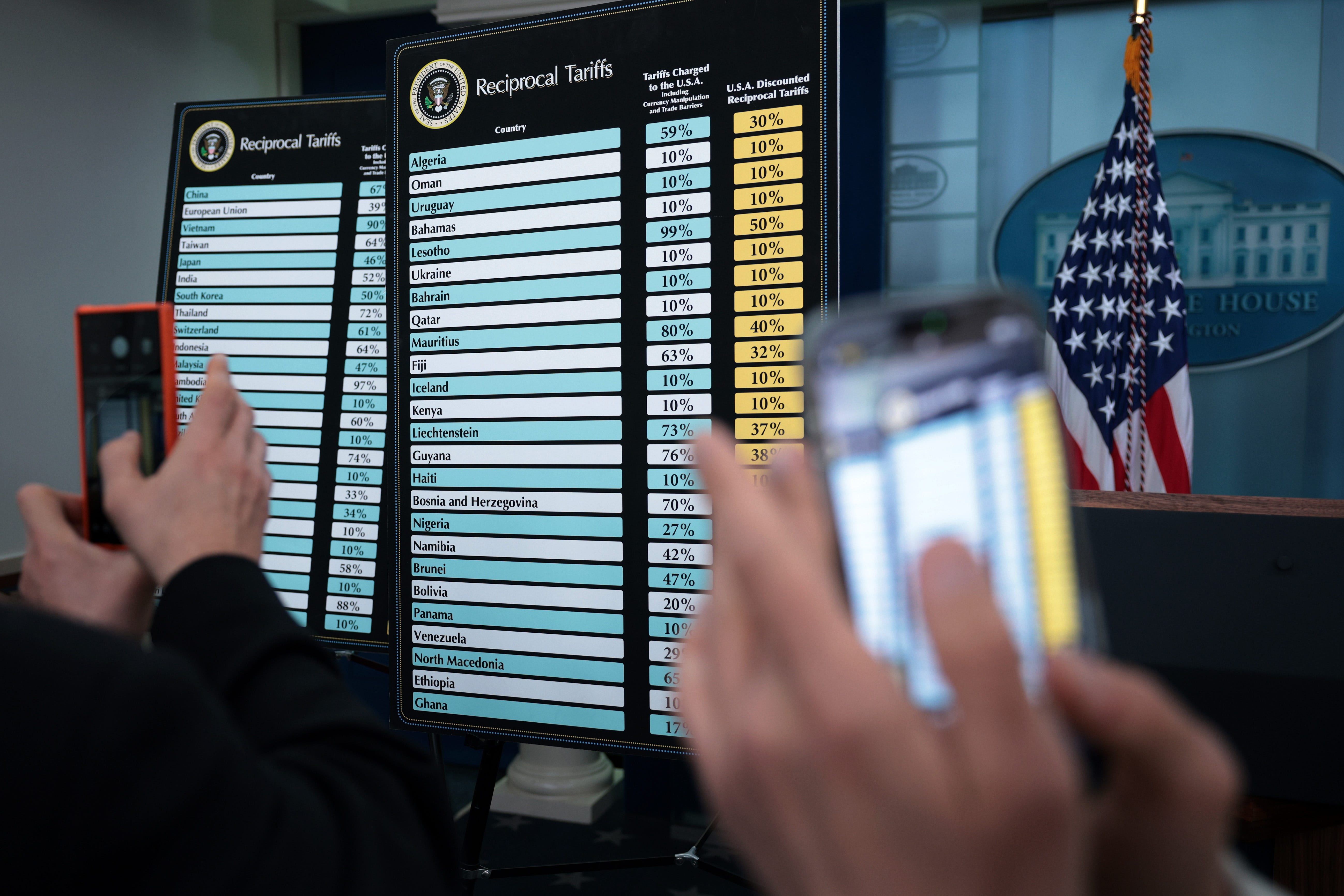
(Photo by Alex Wong/Getty Images)
State of Affairs: Tariffs Begin to Move Off Autopilot
In many respects, 2025 was the year of the tariff. Between new ‘reciprocal’ tariffs, sectoral tariffs, and tariffs imposed for foreign-policy reasons, the average U.S. applied tariff went from 1.5% in 2022 to almost 16% by November. This puts the U.S. tariffs at their highest levels since 1943 and moves the U.S. tariff rate more in the zone of developing, rather than developed, countries.
However, as the year drew to a close, we began to see signs of President Trump retreating from his automatic reach for high tariffs at whim. In November, President Trump excluded more than 200 mainly agricultural products from the reciprocal tariffs, largely in response to a growing consumer backlash. In December, he also announced delays in applying some tariffs—a one year postponement for higher tariffs on upholstered furniture, kitchen cabinets, and vanities, as well as a delay until June 2027 for tariffs on Chinese semiconductors following the conclusion of a lengthy Section 301 investigation. Furthermore, his 10% threat of additional tariffs on Canadian imports in October failed to materialize. President Trump also did not slap a slew of new tariffs on the EU in response to their ‘discriminatory’ digital taxes and other regulatory policies, with USTR instead referring to possible fees or restrictions on foreign services. And the trade truce with China resulted in the tariffs hikes on Chinese imports ending the year at 20%, considerably lower than the 145% it had escalated to in Spring. These moves came about as opinion polls suggest that domestic support for tariffs is falling, with certain Republican Congressional members expressing concerns as the mid-term elections draw nearer.
Why It Matters: The U.S. Economy in a Midterm Year
The costs of the tariffs are beginning to bite, and some adjustment to the aggressive tariff policy should soften the impact on the U.S. economy. For example, with more than $190 billion of food products imported in 2024, the tariff increases have translated to higher prices at the grocery store and in restaurants for the average American. Research released in November showed that imported goods were rising in price at roughly twice the rate of domestically produced goods, with many U.S. businesses forced to pay higher prices for steel, aluminum and other industrial inputs. Unemployment rates have also been rising, with November showing the highest since September 2021. Reducing reliance on tariffs as the ‘go to’ response could help bring back more certainty to the business environment, thereby encouraging investment and growth.
The recent signals from the administration that the President may be taking his foot off the gas on high tariffs will be welcome news for U.S.’ trading partners. 2025 was a roller coaster for U.S.’ allies and partners in particular, as they tried to manage their way through the trade policy upheaval while keeping their relationships with the Washington intact. Some stabilization of U.S. tariff policy in the year ahead will allow partners and allies some breathing space, with tariff delays or product exclusions important wins for their exporters. A more measured U.S. approach in 2026 also increases the potential for partners interested in working with the U.S. to address broader trade and economic challenges where there are shared interests. These could include building more durable access to critical minerals and responding to China’s policies that flood the global market with unfairly subsidized goods.
What to Watch: How Much Will the Tariff Playbook Evolve?
More product exclusions? U.S.’ trading partners and businesses will continue to press for further product exclusions to the tariffs, especially now that the door has been opened. If the economic impacts of the tariffs continue to grow, there could well be more exclusions announced over the coming months, especially as the mid-term elections loom closer and affordability concerns heighten.
More delays in tariff imposition? President Trump initiated 12 investigations under Section 232 in 2025, with final outcomes still outstanding in most of these, including semiconductors, critical minerals, polysilicon, robotics and industrial machinery, and wind turbines. Will the President delay the imposition of any tariffs from these investigations, favor a non-tariff response to address the national security concerns, or take no action?
Will the tariff truce with China hold? The tariff truce reached with Beijing is fragile. In the lead up to President Trump’s visit to China in April, and the expected visit of President of Xi to the U.S. to follow, both sides will have a keen interest in avoiding any major friction in the relationship. Will the temporary truce on tariff escalation hold for the year? Will it be further extended, or made any more permanent, when the leaders meet? Or will trade tensions or other issues emerge in the coming months to derail efforts to stabilize the relationship?
Will the IEEPA tariffs be struck down by the Supreme Court? A decision is expected to be made early this year by the Supreme Court on the use of the International Emergency Economic Powers Act (IEEPA) as the basis for the imposition of reciprocal tariffs. Should the Surpeme Court rule against IEEPA, the administration seems ready to turn to other statutes to keep tariffs in place. However, other statutes have limitations, including the level of tariff hikes and the need for public input. This could lead to lower tariff rates, at least in the short term.
Dive Deeper with ASPI:
Read Wendy Cutler’s recent op-ed in Barrons, “Trump Is On a Win Streak in His Trade War. Will It Last?”
Read Shay Wester’s latest report, “Best Practices for Trusted Cloud Adoption and Interoperability in APEC Economies.”
Watch a panel discussion on “What’s at Stake for Asia in the USMCA Review?”, moderated by Wendy Cutler.